October 12, 2026


Few things tighten a driver's grip on the wheel quite like a symbol appearing on the dashboard that wasn't there five minutes ago. The car has something to say, and it isn't speaking in words. What it is doing is using colour, shape and — crucially — whether the light is steady or flashing to tell you how seriously to take it.
Most of the panic comes from not knowing the code. Learn it once and the dashboard stops being a mystery and starts working the way it was designed to: as an early warning system, not a source of dread.
The hierarchy is broadly consistent across almost every make. Red means stop. Amber means get it checked. Green or blue means a system is on, or simply working. Shapes vary between manufacturers, so treat the colour as the headline and the symbol as the detail — and treat your own handbook as the final authority for your car.
The second clue is behaviour. A light that comes on and stays on is a different message from one that blinks. Flashing amber in particular usually means "sooner rather than later", often because something is being damaged while you drive.
It's also worth knowing that some lights perform a self-check when you start the car, illuminating briefly and then going out. If one stays on after the engine starts, that's when it's talking to you.
Red is the car asking you to stop driving. What it does not mean is slam the brakes in the middle of a lane — stopping badly is its own hazard. Check your mirrors, indicate, and pull off at the first safe place you can reach: a lay-by, a side street, or on a motorway an emergency area. Hazard lights on once you're stationary. If you're on a motorway, get out on the side away from traffic and stand behind the barrier rather than beside the car.
A few red lights are harmless reminders: seatbelt, an open door, or the parking brake still applied. If the parking brake light stays on after you've released it, though, treat it as a brake fault.
Remember that red doesn't always mean the car is about to explode. It means the system it monitors has a problem serious enough to risk damage or safety if you continue. The cost of stopping for ten minutes is almost always lower than the cost of ignoring it.
If any of these appear, don't try to "make it home". The few minutes you save are not worth the risk.
Amber is the car saying "I'm still running, but something needs attention". That's the trap. Because the car feels normal, it's easy to keep going for weeks, and amber lights left alone are how modest repairs turn into expensive ones.
A steady engine management light means book a diagnostic check soon and drive gently in the meantime. A flashing engine management light is more urgent: it usually signals a misfire severe enough to damage the catalytic converter, so ease off, avoid hard acceleration and get it looked at promptly.
ABS is similar in tone. Normal braking still works, but you no longer have anti-lock assistance, so leave longer gaps — especially in the wet — and get it checked. Tyre pressure warnings mean check the pressures when the tyres are cold and look for a puncture or a slow leak. Traction control and stability control lights often share the same amber warning. If the light is steady, the system may have been disabled accidentally, or there's a fault. If it flashes while you're driving, it means the system is actively intervening to stop you skidding — that's a sign you're pushing the car too hard for the conditions, so ease off.
Other amber lights you might see include the diesel particulate filter (DPF) warning, which often means a longer drive at higher speeds is needed to let the filter regenerate. Ignore it and you risk an expensive blockage. Glow plug lights on diesels usually go out after starting; if they stay on, a fault is logged. And a tyre pressure warning that reappears after you've topped up the pressures points to a slow puncture that needs proper investigation.
Green and blue symbols are the dashboard's way of telling you a system is on and working. They are not warnings. Typical examples include headlights, indicators, fog lights, and cruise control. A blue light usually means high beam is on — a reminder to dip them for oncoming traffic.
Some cars use green for eco mode or lane-keeping assistance. If you see a green light you don't recognise, it's usually safe to check the handbook when you next stop, but there's no need to pull over in a panic.
When a new light appears, resist the urge to ignore it or to immediately assume the worst. Follow a simple routine:
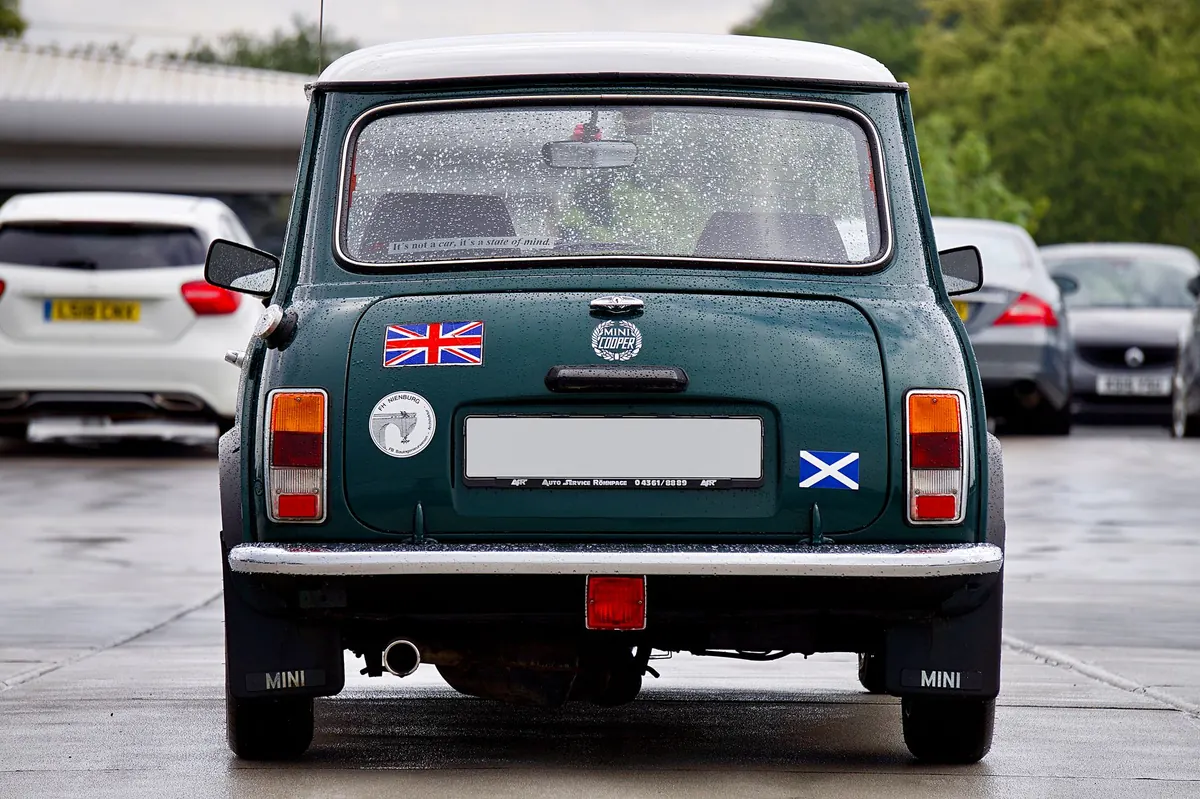
Photo: Hans / Pixabay
Your guide to cars and driving in the Shire.
Copyright © 2026 Shire Motoring. All rights reserved. Shire Motoring.