October 12, 2026


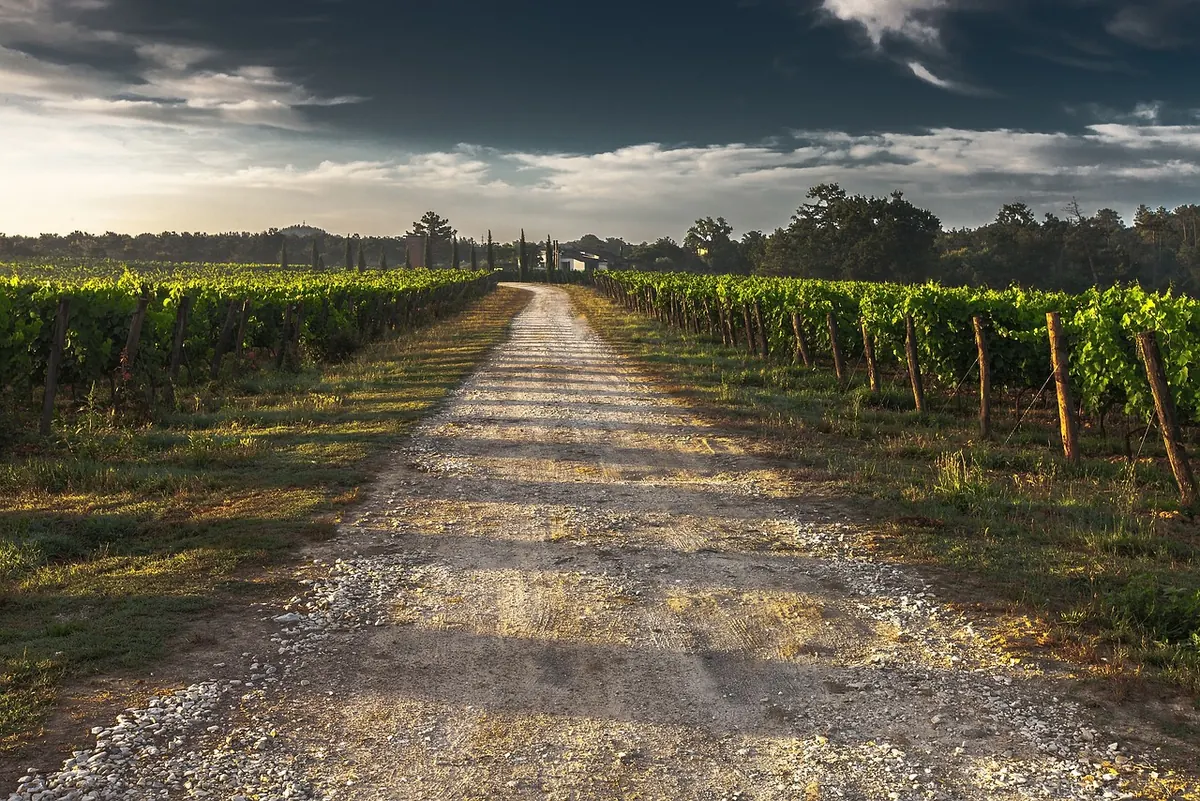
A single-track lane can give you the best ten minutes of driving in the county and the worst, sometimes inside the same half mile. The tarmac is barely wide enough for one car, the hedges sit at shoulder height, and the road is shared with tractors, horse riders, delivery vans and the occasional escaped sheep. None of that is a problem once you know the conventions. Most of them come down to two things: reading the road early, and being predictable to whoever you meet.
Start with what the road is actually made of. These lanes were laid out for carts and livestock, not for two tonnes of car meeting another two tonnes of car. You get one usable lane of tarmac, a soft unsupported edge on each side, and a ditch or drainage channel tucked away under the hedge. There is rarely a footpath, and there is often a strip of loose gravel and leaf litter down the middle where tyres have not swept it clean.
A banked or sunken lane, cut down below the level of the fields, will hide everything beyond the next few metres. So will a tall hedge in full leaf, or a stone wall on a blind crest. The national speed limit sign at the end of the village simply means the previous restriction has ended. It does not mean sixty is achievable, sensible or physically possible on the next half mile. Treat it as the absence of a number, then choose your own based on how far you can see.
Passing places are the whole mechanism of a single-track lane, and they only work if both drivers use them the same way. They are usually on the left, though on longer lanes they alternate from side to side, which is why you should be looking for the next one rather than only at the car in front of you.
On a steep, narrow section, the usual courtesy is for the driver heading downhill to give way to one climbing, since restarting uphill on a gradient is harder. It is not an unbreakable rule, but it helps to know what the other driver may be expecting. A raised hand is the clearest thank-you. A brief pair of hazard flashes is widely understood as thanks too, but avoid flashing your headlights as a greeting in a place where another driver could read it as an invitation to pull out.
The working rule on a lane is simple: you should be able to stop within the distance you can see to be clear. On an open A-road that is easy. Between two hedges it means your speed on a blind bend is often well under twenty miles an hour, and that is not timidity, it is arithmetic.
Read the hedge line rather than the road. A break in the hedge, a gateway, a telegraph pole leaning at an odd angle or a gap where a track joins all tell you something about what is coming. On a left-hand bend, keep left rather than drifting towards the middle for a better line; on a right-hander, do not cut the corner, because anything meeting you will be doing exactly the same thing in the opposite direction.
Use the far hedge as a speed gauge. If the point where the road disappears is rushing towards you, you are going too quickly for the view you have. Dip your headlights early at dusk, and watch for a glow on the foliage above a hedge before you see the car itself. On still evenings, a window down at low speed will sometimes let you hear an engine before you see it, which is a useful extra sense on a lane with no sightlines at all.
A tractor with a trailed implement is often wider than the lane, and the driver's view behind is poor. The polite and safe approach is to stop early where there is room, let it come through, and take the wave if it is offered. Do not try to squeeze past a sprayer or a silage trailer on a bend. Contractors work long hours in a short season, and they will often pull into a gateway to let a queue past if you give them the chance.
Mud is the other hazard. Field entrances and gateways leave a slick film across the tarmac, and after heavy rain it spreads along the lane, collecting exactly where you least want it: on the approach to a bend. Fresh mud should be treated like ice. Slow down before it, not on it, keep the steering steady and avoid braking hard in the middle of it.
Pass horse riders slowly, at under ten miles an hour, and leave at least two metres of space. Avoid revving, and do not sound the horn. Walkers on a lane with no footpath will often step into a gateway to let you by, so slow early and give them time to choose. Cyclists need room too, and on a lane barely wider than a car that may mean waiting behind until there is a genuine gap rather than inching past.
Shaded lanes hold frost and damp long after the main roads have cleared, and wet leaves in autumn are as slippery as anything winter throws at you. Standing water hides potholes, and the centre of the lane at the bottom of a hill collects a wash of grit and gravel that will happily pull a front wheel offline. Hedge cutting season leaves thorns and debris on the surface, which is worth remembering if you keep hearing a tick from a tyre.
Keep your wheels on the hard surface. A soft verge in winter will swallow a wheel, and if the drop beyond it is a ditch, getting out again is a job for a tow rope rather than a bit of throttle. Fold your mirrors in on tight sections, and remember that the lane is not the place to test whether your car's paint protection actually works.
Before you commit to a lane you do not know, check where you would pull in if something large came the other way. Ask yourself whether you could reverse fifty metres if you had to, and if the answer is no, drive accordingly. Slow down before the hazard, not during it. If you meet a lorry, a bus or a loaded trailer on a tight section, stop early and let the other driver work out the plan with you; standing still and visible is almost always easier than a late swerve into a hedge. And when someone pulls in for you, raise a hand. It costs nothing and it keeps the whole system working.
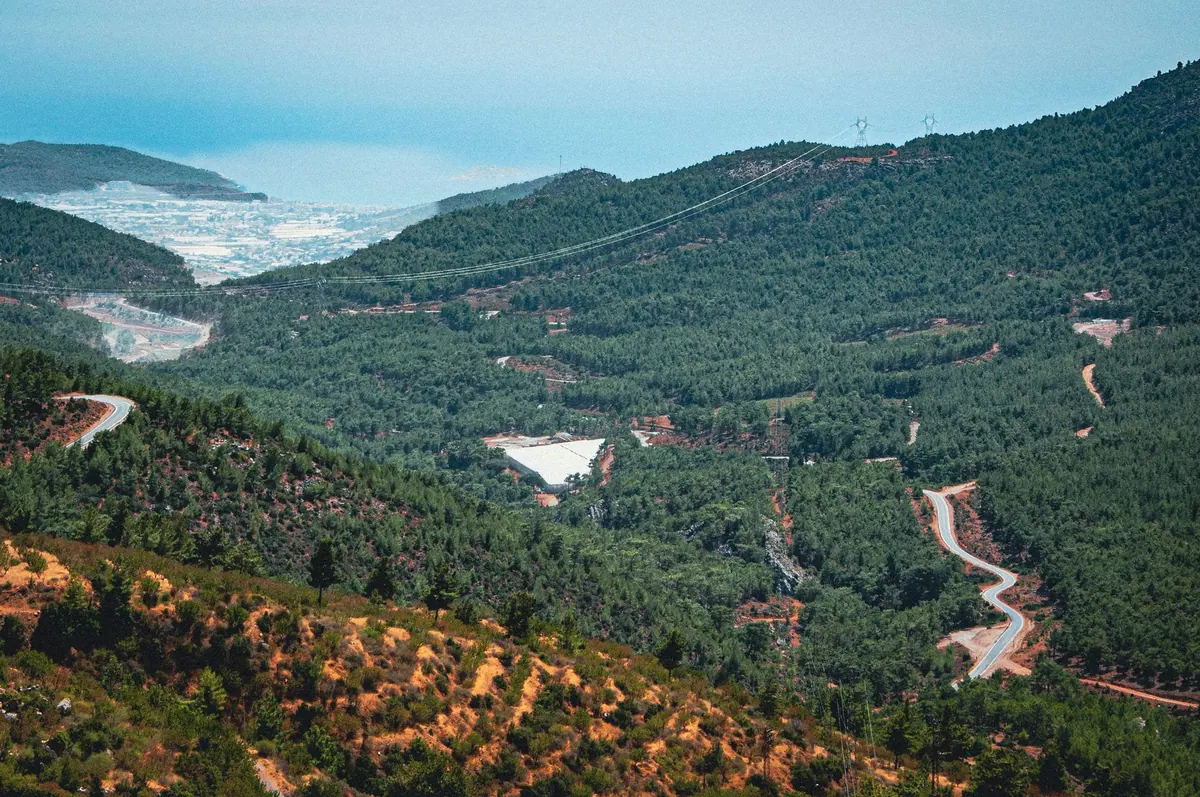
Photo: alohamalakhov / Pixabay

Your guide to cars and driving in the Shire.
Copyright © 2026 Shire Motoring. All rights reserved. Shire Motoring.