October 12, 2026


Rain changes the rules quietly. Your tyres have less to grip, your view shrinks into a grey smear of spray, and a puddle that barely registered yesterday is now deep enough to hide a pothole. None of that is dangerous by itself. It becomes dangerous when the car in front slows and you are still driving to yesterday's conditions.
The good news is that staying safe in heavy rain isn't about heroics or expensive kit. It's about a few habits, applied early and without drama.
Most wet-weather trouble starts with something you could have spotted in a car park on a dry day. Ten minutes now saves a lot of heart rate later.
Tyres first, because everything else depends on them. Tread clears water from under the contact patch, so as it wears, each tyre has to shift more water with less rubber to do it. The UK legal minimum is 1.6mm across the central three-quarters of the tread, but a tyre sitting at 3mm will already feel noticeably looser in standing water than one at 6mm. Check pressures when the tyres are cold, and look for uneven wear — scrubbed inner edges or worn shoulders are clues that alignment or suspension needs attention, and you'll feel the results badly in the wet.
Then the things you can't inspect while driving:
Stopping distances in the wet can be around twice what they are in the dry, and that's before you account for your own reaction time. The two-second rule you'd use on a dry day isn't enough. Say the old phrase to yourself — "only a fool breaks the two-second rule" takes about two seconds — and in heavy rain, leave enough room that you could say it twice and still have space in hand.
Pick a fixed marker ahead: a bridge, a road sign, a shadow on the tarmac. Count when the car in front passes it and when you do. It's a more honest measure than a vague sense of "I'm a safe driver", which is exactly what everyone thinks just before they get too close.
Lorries, vans and buses throw up curtains of water that can blank out your view completely for a second or two. Don't sit alongside them, and don't tuck in close behind either — you lose the view of the road ahead and the driver may not see you at all. Either drop back to a distance where you can see past, or commit to a brisk, decisive pass and get clear.
Remember too that an oncoming lorry's bow wave can soak your windscreen in an instant. If you're passing a large vehicle in the opposite direction on a wet road, keep both hands on the wheel and expect it.
You'll feel it before you understand it. The steering goes strangely light and vague. The engine note rises as the driven wheels spin faster than the car is actually moving. The tyre noise changes. For a second or two, the car is riding on a film of water rather than the road.
The instinct — brake, steer, correct — is exactly the wrong response. Loading the front tyres sharply while they're floating helps nothing. Instead:
Aquaplaning is most likely where water collects: the bottom of a dip, the wheel-rut lines in a motorway's outside lane, shaded stretches under trees, and any road that drains badly after a long dry spell, when oil and rubber residue make the surface even slipperier. If you have cruise control engaged, switch it off in heavy rain. You want your foot on the throttle and your attention on the road.
Standing water hides everything that matters. You can't see how deep it is, whether a drain cover has lifted, whether the surface underneath is still there, or whether a pothole has opened up since the last time you drove through. Water is often deepest at the kerb edge near the drains, and in the middle where the road dips.
There's a mechanical argument as well. Water drawn into an engine through the air intake can't be compressed, and the damage that follows can mean a rebuild or a written-off car. Even modest depth can soak carpets, seats, wiring and control modules, and water-damaged cars have a habit of misbehaving for years afterwards. If your car stalls in water, don't restart it — that's often what turns a recoverable situation into an expensive one. If you're ever unsure whether damage has been done, take proper advice before driving on.
If you can't see the road surface or the kerbs, turn around and find another route. Arriving ten minutes late is a far better outcome than a repair bill.
Safe wet-weather driving comes down to three things: slow down early, leave more room than feels necessary, and be honest about what you can see. Sort your tyres and wipers before the rain arrives, keep your lights and demisting working, and treat every flood as a road closure with a detour sign you haven't spotted yet.
Then let the impatient driver behind you overtake. They'll arrive at the same place a minute earlier, or they'll be the one explaining a bent wheel to a recovery driver. Either way, it won't be you.
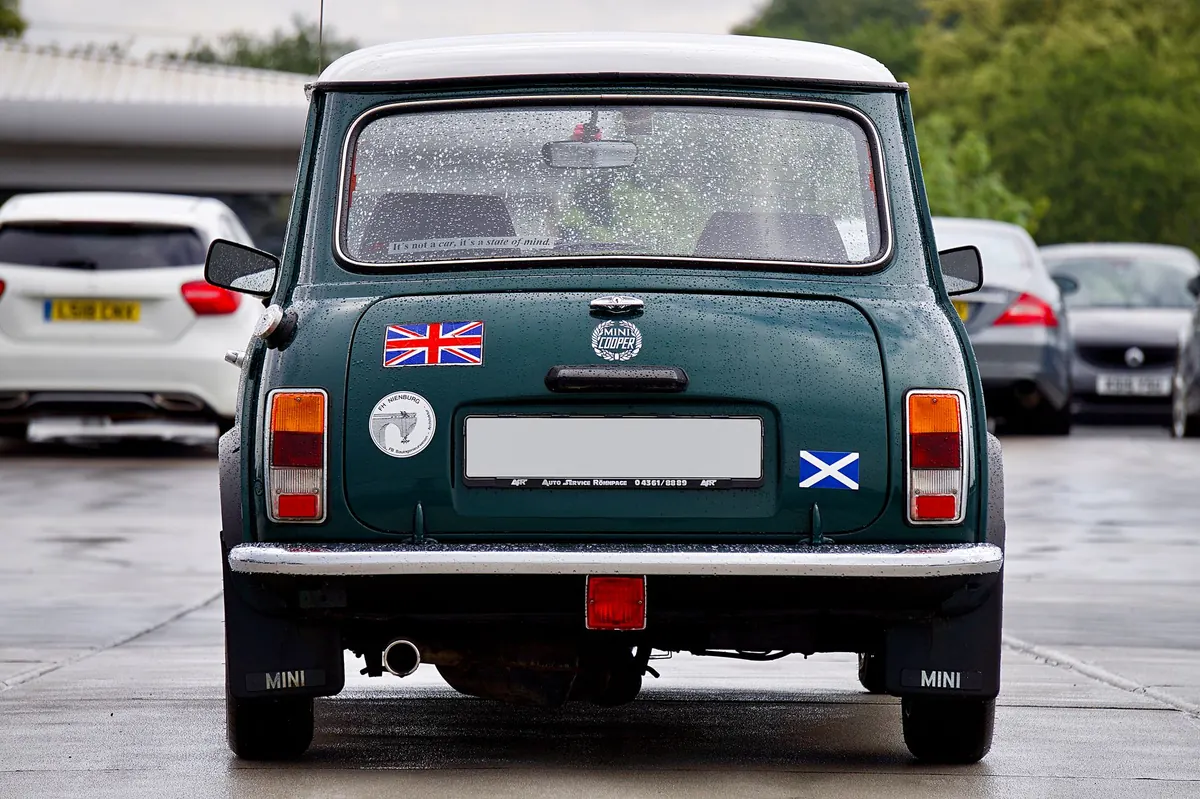
Photo: 652234 / Pixabay

Your guide to cars and driving in the Shire.
Copyright © 2026 Shire Motoring. All rights reserved. Shire Motoring.