October 12, 2026


The question usually arrives at an awkward moment: halfway through a long drive, or at the kitchen table with a brochure open. Petrol, hybrid or electric? The honest answer depends less on which technology is cleverest and more on the shape of your week — how far you go, how often, and where you can plug in or fill up. Get that part right and everything else falls into place.
Before you look at a single specification, write down your driving. Not the average — the awkward edges. The school run and the supermarket trip. The monthly 200-mile run to visit family. The tip run with a trailer. The holiday with a roof box and four people aboard.
Most drivers find their pattern is lopsided: a lot of very short journeys, plus a handful of long ones. That handful is what usually decides the powertrain, because short trips are easy for almost any car and long trips are where the compromises show.
Fuel and electricity get all the attention, but they are rarely the biggest line in the budget. Depreciation, finance, insurance and servicing usually outweigh them. Still, the day-to-day costs matter, and they differ sharply between the three types.
Compare cost per mile rather than cost per litre or per kilowatt-hour. For a petrol car, that is simple arithmetic: fill the tank, note the miles, divide. For an electric car, it depends entirely on where the electricity comes from. Charging at home on a cheap overnight tariff is where the savings live. Public rapid chargers on a motorway can cost several times as much per unit, and on a long trip the gap between electric and petrol narrows considerably.
Most efficient electric cars return roughly three to four miles per kilowatt-hour in mixed driving. Cold weather, motorway speeds, heaters and a full load all pull that number down, which is why winter range always disappoints newcomers.
Electric cars have fewer moving parts, no oil changes and no exhaust to rot. Regenerative braking means the friction brakes last a long time. Against that, they are heavy and produce instant torque, so tyres tend to wear faster — a cost owners routinely underestimate. Hybrids sit in the middle: the engine still needs servicing, but it works less hard and the brakes last well.
Premiums vary enormously by model, driver and postcode, so get a real quote for the exact car you are considering rather than trusting a general rule. The same applies to residual values: some electric models have held up well, others have not. If you are buying on finance, the predicted future value is baked into your monthly payment, so ask what assumptions are being used.
Range figures sell cars; refuelling habits decide whether you enjoy owning one.
One question decides most of this: can you charge where the car spends the night? A driveway, garage or dedicated parking space makes electric ownership straightforward. Relying on public charging near home makes it a chore, and in many rural areas the network is still thin enough to require a backup plan.
Short, repeated journeys are the hardest duty cycle for a petrol or diesel engine. It never fully warms up, fuel consumption climbs, and exhaust systems suffer. An electric car does the opposite: it is at its best in stop-start traffic, and pre-conditioning means you leave a warm, defrosted car without idling on the drive.
If your typical day is under 40 miles and you can charge at home, the running costs are hard to argue with. A conventional hybrid is the sensible alternative if charging is impossible — it captures much of the urban benefit without any new habits.
Out here, distances are longer, detours are common and the nearest rapid charger may be nowhere near your route. Petrol remains the least demanding choice: any route, any weather, no planning. A conventional hybrid works almost as well and often returns better economy on mixed roads than a pure petrol equivalent, though its advantage shrinks on steady motorway running where the electric assistance does little.
Plug-in hybrids make sense for a specific driver: a short daily commute that can be done on electricity, plus regular long journeys where the engine takes over. If you rarely plug in, you are carrying a heavy battery for nothing.
Modern electric cars can absolutely cover long rural journeys, but they ask for a different mindset. Plan the charging stop before you need it, charge on arrival rather than waiting for empty, and accept that a cold, wet January motorway run will cost you more time than the brochure suggests.
Whichever way you lean, test the reality before you commit. Borrow or hire an electric car for a week and do your normal journeys in it, including the awkward one. Get insurance quotes for the exact trim you want. Ask a dealer what servicing actually costs over three years, and check whether the car needs a home charger installation that you have not budgeted for.
Keep a simple record for a month — miles covered, money spent on fuel or charging — and the comparison stops being theoretical. If finance, leasing or salary sacrifice schemes are involved, speak to an accountant or adviser who knows your circumstances before signing anything.
There is no universal winner here, only a best fit. Match the powertrain to the driving you genuinely do, not the driving you imagine you might do one day, and you will be happy with it for years.
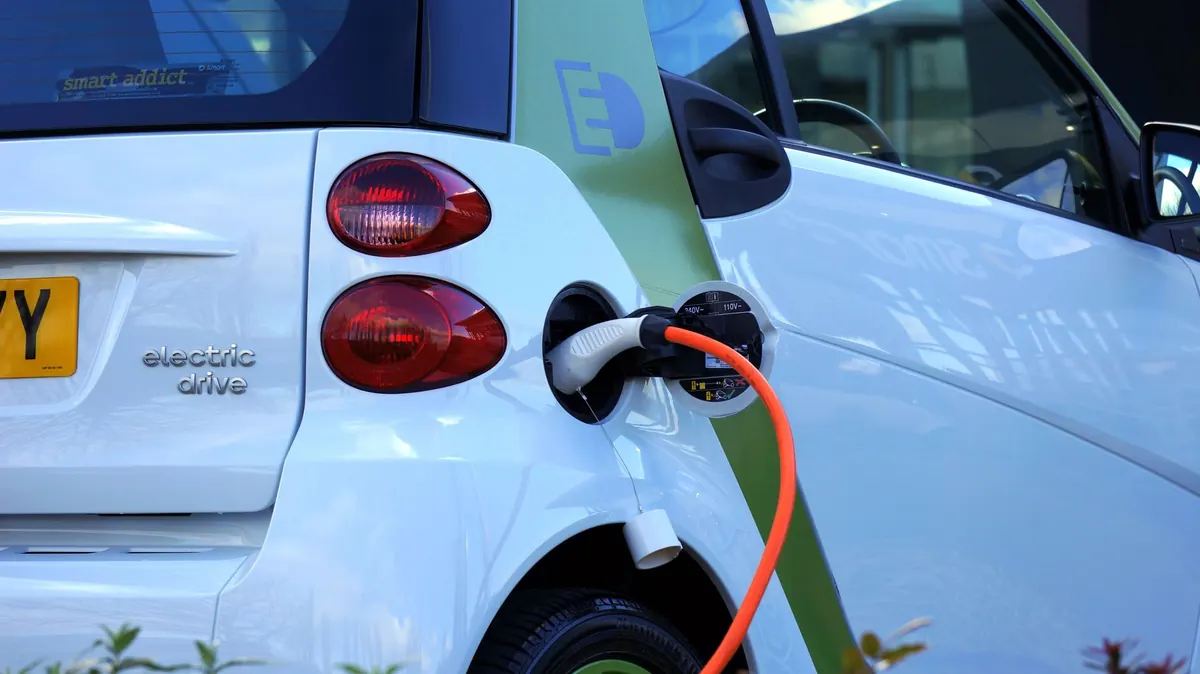
Photo: Mike Bird / Pexels

Your guide to cars and driving in the Shire.
Copyright © 2026 Shire Motoring. All rights reserved. Shire Motoring.